
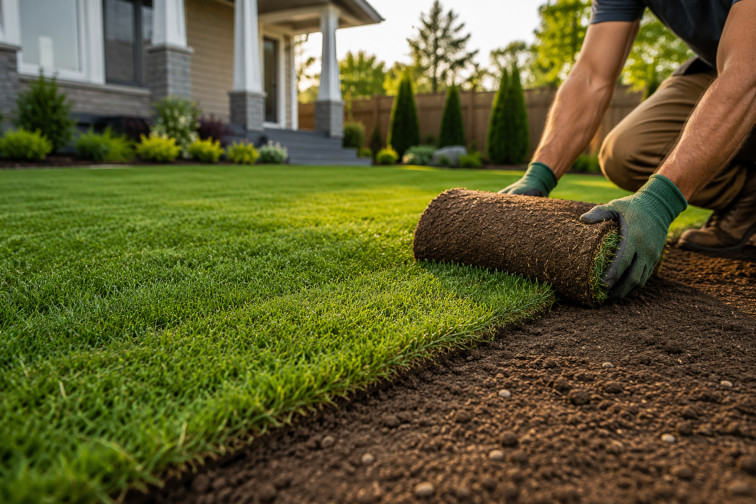
For many landscaping companies, sod installation can be one of the most profitable services offered when it is priced correctly. The challenge is that many contractors either underbid the work to stay competitive or forget to account for all of the hidden costs involved. The result? Long days, tight margins, and little profit left at the end of the project.
If you are wondering how much you should charge for installing sod, the answer depends on more than simply the cost of the grass itself. A professional sod installation estimate should account for materials, labor, site preparation, delivery, equipment, overhead, and profit.
In this guide, we will break down the major factors that should influence your pricing so you can confidently charge what your work is truly worth.
Average Sod Installation Pricing
In most markets, professional sod installation typically ranges between:
$1.50 to $3.50 per square foot installed
Or approximately $6,500 to $15,000 per 5,000 sq. ft. lawn
Premium installations, difficult access, grading work, irrigation upgrades, or luxury landscape projects may exceed these numbers.
For contractors in areas like Portland and the Pacific Northwest, pricing may also fluctuate depending on:
Turf variety
Delivery costs
Seasonal demand
Labor availability
Soil preparation requirements
Disposal and debris hauling fees
What Should Be Included in Your Sod Pricing?
Many newer contractors make the mistake of pricing sod jobs based only on material and labor. Professional estimating should go much deeper than that.
1. Sod Material Costs
Your first cost is obviously the sod itself. Prices vary by turf type and supplier, but contractors should include:
Sod purchase price
Delivery fees
Waste factor (typically 5–10%)
Tax (if applicable)
For example:
Item
Example Cost
Sod Material
$0.55 per sq. ft.
Delivery
$150
Waste Factor
7%
Total Material Cost
Adjusted into final estimate
Never estimate sod using exact square footage alone. There will always be cuts, trimming, and unusable sections.
2. Site Preparation
This is where many landscaping companies lose money.
A successful sod installation depends heavily on proper preparation. If the soil is poorly prepared, the turf may fail and the customer often blames the installer.
Preparation may include:
Removing old turf
Weed control
Rototilling
Soil amendments
Compost installation
Grading
Debris removal
Rolling and leveling
In many projects, prep work takes longer than the sod installation itself.
3. Labor Costs
You should calculate labor based on actual production rates, not guesses.
Typical production rates may include:
Task
Production Rate
Sod Installation
800–1,500 sq. ft. per worker/day
Turf Removal
500–1,200 sq. ft. per worker/day
Soil Prep & Grading
Varies heavily by site
Be sure to include:
Payroll taxes
Workers compensation
Travel time
Setup and cleanup
Supervisor time
If your labor burden is higher than competitors, that does not necessarily mean your pricing is wrong. It may simply mean you operate a more professional business.
4. Equipment Costs
Equipment wear and fuel should always be built into your estimates.
This may include:
Sod cutters
Rototillers
Dump trailers
Compact tractors
Wheelbarrows
Fuel and maintenance
Many contractors forget to charge for equipment usage, which slowly eats away at profits over time.
5. Overhead & Business Expenses
Your estimate must support the entire business, not just the crew performing the work.
Overhead may include:
Insurance
Licensing
Office expenses
Advertising
Vehicle costs
Software subscriptions
Shop rent
Administrative labor
A company that ignores overhead often appears “cheap,” but eventually struggles financially.
6. Profit Margin
Profit is not the same thing as labor wages.
A healthy landscaping company should build profit into every project to allow for:
Business growth
New equipment
Emergency expenses
Slow seasons
Owner compensation
Many landscape contractors target:
15–25% gross profit margins
Higher margins on smaller jobs
Premium companies offering strong warranties, skilled installation, and excellent customer service may charge even more.
Example Sod Installation Estimate
Here is a simplified example for a 2,000 sq. ft. lawn:
Item
Cost
Sod Material
$1,200
Delivery
$150
Compost & Soil Prep
$450
Labor
$1,200
Equipment
$250
Overhead Allocation
$400
Profit Margin
$850
Total Price
$4,500
That equals approximately:
$2.25 per sq. ft. installed
Should You Charge Per Square Foot or By Project?
Most professional landscape companies calculate the project internally by production rates and costs, then present the customer with a total project price.
Charging strictly “per square foot” can sometimes create problems when projects involve:
Difficult access
Slopes
Irrigation repairs
Drainage issues
Extensive grading
Hauling debris
Every lawn is different.
The Real Goal: Accurate Estimating
The best landscaping companies do not simply try to be the cheapest. They focus on:
Accurate production rates
Consistent margins
Efficient operations
Professional workmanship
When estimates are built correctly, companies can confidently provide quality installations while remaining profitable.
This is one of the reasons many contractors are moving away from slow spreadsheets and toward dedicated estimating systems that help track labor, materials, production rates, and profit margins more accurately.
Final Thoughts
If you are asking, “How much should I charge for installing sod?” the real answer is:
Charge enough to properly install the lawn, support your business, stand behind your work, and remain profitable.
A professionally installed lawn is not just grass — it is grading, preparation, craftsmanship, logistics, scheduling, equipment, and long-term customer satisfaction.
The companies that understand this are the ones that grow successfully over time.
Need Help Estimating Sod Projects Faster?
The Landscape Estimator (TLE) helps landscaping companies build faster and more accurate estimates using real labor, material, and production-based pricing — without relying entirely on outdated spreadsheets.
(Below may require registering for a TLE free account)
Click here to see a walkthrough sod estimate on The Landscape Estimator App.
Keep reading
More updates, releases, and estimating ideas are in the newsroom.