
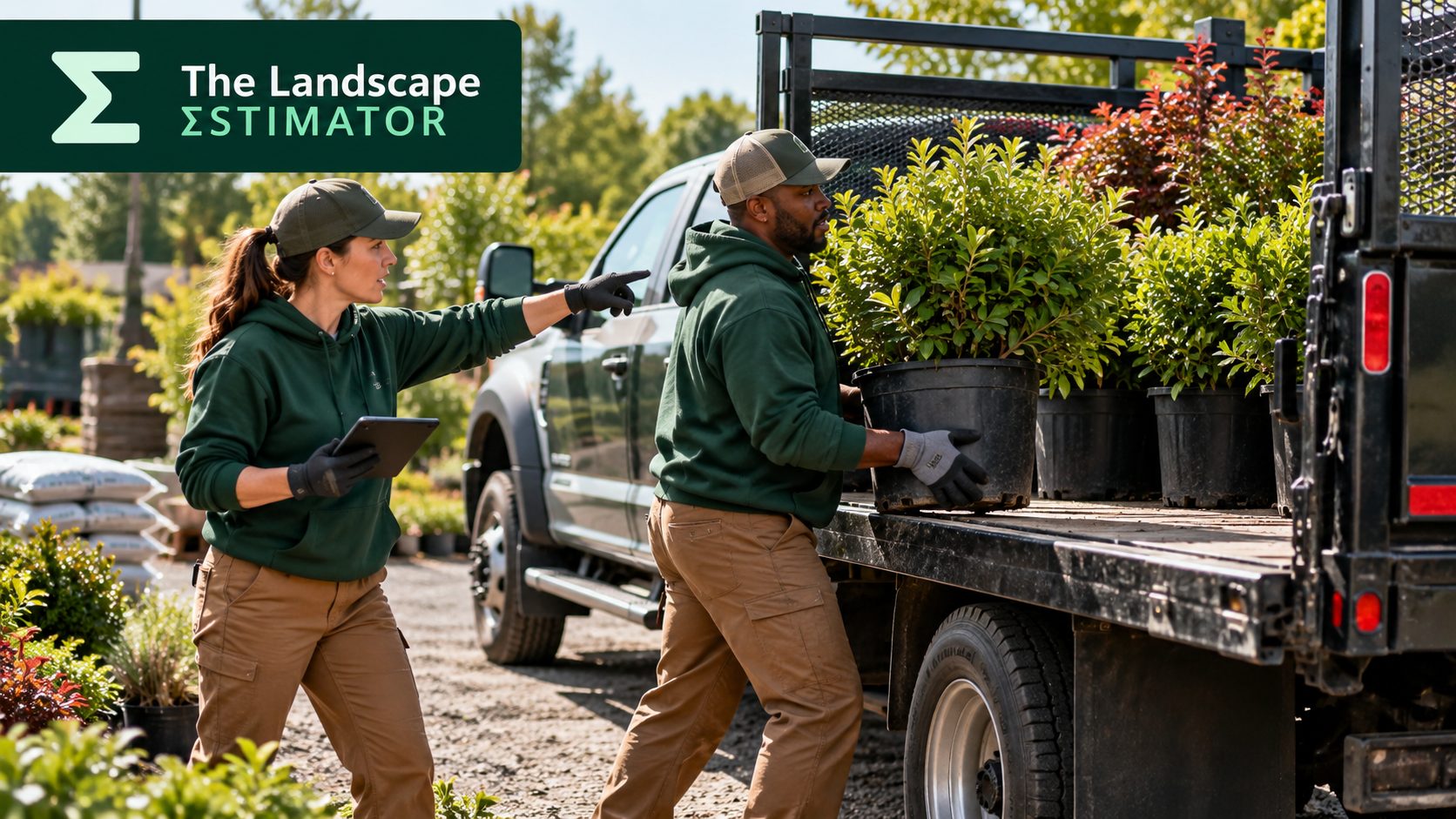
Somewhere on one of your landscape crews may be your next crew leader.
Your next production manager.
Maybe even someone who will eventually help run the entire company.
The interesting part?
They might not know it yet.
And you might not either.
When landscape companies begin growing, owners naturally start thinking about additional trucks, equipment, employees, and customers.
But there's something else every growing company eventually needs.
People who can lead other people.
Unfortunately, many contractors don't begin thinking seriously about leadership until they desperately need someone to fill a position.
A crew leader quits.
The company adds another crew.
The owner becomes overwhelmed.
Suddenly, someone needs to take charge.
And the owner looks around and asks:
"Who's ready?"
That's a difficult question to answer when you've never prepared anyone.
Your Next Leader May Already Work for You
Think about the people on your existing crews.
There's probably someone who consistently arrives prepared.
Someone who notices when materials are running low.
Someone who helps a new employee understand how to perform a task.
Someone who takes care of equipment without being reminded.
Someone who recognizes a problem before it becomes a larger one.
Those behaviors matter.
Leadership potential doesn't always announce itself.
Sometimes it appears through small actions that demonstrate responsibility, initiative, and concern for the success of the team.
That doesn't mean every dependable employee wants to become a manager.
Some excellent landscape professionals prefer performing the work rather than supervising others.
And that's perfectly reasonable.
But when an employee demonstrates both the ability and the interest to accept more responsibility, it's worth paying attention.
Your Best Installer Isn't Automatically Your Best Leader
This is one of the most common challenges in growing landscape companies.
You have an employee who can install pavers faster than anyone else.
They understand irrigation.
They can operate nearly every piece of equipment.
Customers appreciate their workmanship.
So, when you need another crew leader, they're the obvious choice.
Maybe.
But being an excellent installer and being an effective leader require different skills.
A crew leader needs to communicate clearly.
Plan work.
Teach others.
Manage time.
Address problems.
Maintain quality.
Understand safety.
Hold employees accountable.
And represent the company professionally.
Your best installer may possess all those qualities.
Or they may be happiest continuing to do what they do best.
Technical ability earns respect. Leadership ability helps other people succeed.
A successful company needs both.
Leadership Begins Before the Promotion
Imagine you have an employee who seems interested in taking on more responsibility.
You don't necessarily need to promote them tomorrow.
Start small.
Ask them to help organize materials for an upcoming project.
Have them review the work plan with the crew leader.
Give them responsibility for checking equipment before leaving the shop.
Ask them to help train a new employee.
Eventually, allow them to coordinate a small portion of a project.
Then discuss what happened.
What went well?
What was difficult?
What would they do differently?
Each experience gives the employee an opportunity to develop judgment while giving the company an opportunity to evaluate their readiness.
Leadership development shouldn't begin with handing someone the keys to a truck and hoping everything works out.
It should begin with opportunities to learn.
Give Responsibility Along With Authority
There's a difference between giving someone responsibility and giving them the authority to fulfill it.
Suppose you tell an employee:
"You're responsible for keeping this project on schedule."
But they can't adjust assignments.
They can't request materials.
They can't communicate with the customer.
And every decision requires your approval.
You've given them responsibility without providing the tools to succeed.
That's frustrating for the employee and ineffective for the company.
As employees develop, their authority should grow alongside their responsibilities.
That doesn't mean unlimited freedom.
It means establishing reasonable boundaries.
A developing crew leader might be allowed to adjust daily work assignments, coordinate routine material needs, or address normal production issues.
Larger purchases, changes to the contracted scope, significant safety concerns, and other high-impact decisions may still require management involvement.
The employee learns to make decisions within clear expectations.
And the owner learns to trust someone else with part of the operation.
As we discussed in The Owner Is the Bottleneck, a growing company cannot rely on one person to make every decision.
Teach People How to Think, Not Just What to Do
One of the most valuable things an experienced landscape contractor possesses is judgment.
You can look at a project and recognize potential problems.
You understand how soil conditions might affect excavation.
You recognize when a production rate doesn't fit the site.
You can anticipate material shortages.
You know when a customer request might require a change order.
Those abilities developed through experience.
But how do you transfer that experience to another person?
Not simply by telling them what to do.
You help them understand why decisions are made.
Instead of immediately solving every problem, ask:
"What options do you see?"
"What would happen if we did it that way?"
"How would that affect our labor hours?"
"What would you recommend?"
These conversations help employees develop the ability to evaluate situations rather than wait for instructions.
Over time, you're not just training someone to follow directions.
You're developing someone who can make sound decisions.
Leaders Need to Understand the Business, Not Just the Work
A crew leader may understand how to install a landscape project beautifully.
But do they understand what it costs to produce?
Suppose the company estimates 120 labor hours for a project.
The crew leader should understand that expectation.
Not because every project will finish in exactly 120 hours.
Unexpected conditions happen.
But the estimate provides a starting point for planning and measuring production.
If the crew reaches 100 hours and substantial work remains, the leader should recognize the concern and communicate it.
If a project finishes in 95 hours while meeting quality and safety standards, that's valuable information too.
A developing leader should gradually learn about:
Estimated versus actual labor hours.
Production rates.
Material management and waste.
Equipment costs and productivity.
Quality expectations.
Change orders.
Customer satisfaction.
Project profitability.
They don't need to become accountants.
But they should understand that successful production involves more than completing the work.
It involves completing the work safely, professionally, and within reasonable financial expectations.
Don't Turn Your Best Employees Into Overworked Employees
Here's a mistake that can happen when owners identify someone dependable.
That employee begins receiving every difficult assignment.
They're asked to train new hires.
Fix other people's mistakes.
Handle customer questions.
Stay late.
Cover for absent employees.
And continue producing the same amount of physical work they always did.
Eventually, the employee becomes exhausted.
That's not leadership development.
That's simply adding responsibilities without providing sufficient support.
When someone begins accepting leadership duties, the company needs to consider how their workload changes.
They may need time for planning.
Training.
Communication.
Documentation.
And supervising others.
Those activities may not look like physical landscape production.
But they are part of producing successful projects through a team.
If you expect someone to lead, you need to give them the opportunity to actually lead.
Accountability Is Part of Leadership
Developing leaders doesn't mean removing accountability.
In fact, accountability becomes more important as responsibility increases.
A crew leader should understand what the company expects.
Safety standards.
Quality standards.
Production goals.
Employee conduct.
Equipment care.
Customer communication.
Accurate reporting.
When expectations aren't met, the company needs to address them.
But accountability should be consistent and constructive.
Was the expectation clear?
Did the employee have the training and resources necessary?
Was the assigned responsibility reasonable?
Did the employee understand their authority?
If the answer is yes, then performance needs to be evaluated accordingly.
Good leadership development combines support with responsibility.
You can't develop strong managers by avoiding difficult conversations.
And you won't develop confident leaders by criticizing every imperfect decision.
The goal is to create people who understand expectations and take ownership of results.
Some Employees Will Grow Into Leadership. Others Won't.
Not every leadership candidate will succeed.
Someone may enjoy organizing a crew but dislike handling employee disagreements.
Another person may be excellent at training but struggle with scheduling.
Someone else may discover they simply prefer working in the field.
That's okay.
Leadership development is also a process of discovering where people fit best.
A strong landscape company needs excellent installers, irrigation technicians, equipment operators, estimators, crew leaders, and managers.
Not everyone needs to follow the same career path.
What matters is recognizing people's abilities and helping them contribute where they can be most successful.
Build Leadership into Your Company's Growth
Imagine your company currently operates with two crews.
Business is improving.
You're considering adding a third crew next year.
Instead of waiting until you purchase another truck, begin preparing now.
Identify employees who might be interested in leadership.
Discuss their goals.
Give them opportunities to coordinate work.
Teach them about production expectations.
Allow them to participate in planning.
Provide feedback.
Gradually increase their responsibilities.
By the time you're ready to expand, you may already have someone capable of leading the new crew.
That's a very different situation from purchasing a truck, hiring employees, and then hoping someone can manage them.
Develop the leadership capacity before you need the production capacity.
Eventually, Leaders Develop Other Leaders
Something important happens when a company begins developing strong crew leaders and managers.
The owner is no longer the only person teaching.
An experienced crew leader begins preparing an assistant crew leader.
A production manager helps crew leaders improve scheduling and performance.
Employees learn from people throughout the organization.
Leadership development becomes part of how the company operates.
That's when growth becomes more sustainable.
Instead of every new crew requiring the owner to personally train and supervise another group of employees, the organization begins developing its own talent.
The company isn't simply adding people.
It's developing the ability to support more people.
Final Thoughts
Building a successful landscape company takes more than finding customers and producing good work.
Eventually, it requires people who can make decisions, solve problems, maintain standards, and help other employees succeed.
Those people rarely develop overnight.
They develop through experience.
Responsibility.
Training.
Feedback.
Trust.
And accountability.
Your next great crew leader may already be standing beside you on a job site.
But if you never give that employee an opportunity to grow, you may never discover what they're capable of.
Don't wait until the company desperately needs another leader.
Start developing people while you still have time to teach them.
Because the strongest landscape companies don't simply hire employees to complete today's work.
They develop people capable of leading tomorrow's work.
And like everything else we've discussed throughout this series, that kind of company is built...
One Estimate at a Time.
Business Takeaway
Leadership development should begin before a growing landscape company needs another crew leader or manager.
Identify employees with potential, provide opportunities to make decisions, teach them about production and profitability, and establish clear expectations.
Don't simply give dependable employees more work.
Give them the training, authority, and support necessary to become successful leaders.
TLE Tip
As your landscape company develops crew leaders, estimators, and managers, it's important that everyone works from consistent production and estimating expectations.
The Landscape Estimator (TLE) helps contractors organize estimating around service templates, production rates, labor calculations, materials, company variables, and profitability considerations.
Those shared standards can become valuable teaching tools.
A developing crew leader can learn how estimated labor hours relate to project production.
A new estimator can work from established company variables instead of guessing.
A manager can better understand the assumptions behind a project's estimated costs.
The goal isn't simply to create estimates faster.
It's to help the company develop a consistent approach to estimating as more people become involved.
Strong systems help support strong leaders.
Coming Next
Part 12: Working IN the Business vs. Working ON the Business
Most landscape business owners know what it means to work hard.
They spend their days managing projects, solving problems, meeting customers, and keeping crews productive.
But there's another kind of work that often gets pushed aside.
Building the company itself.
In the next article, we'll explore the difference between working in the business and working on the business—and why making time for planning, financial review, systems, and long-term decisions is essential to creating a company that can grow beyond the owner's daily involvement.
Because working hard can keep a company running today.
Working on the business helps determine what that company becomes tomorrow.
Keep reading
More updates, releases, and estimating ideas are in the newsroom.